Yoga is all about alignment. Flexibility and strength tend to be the focus of discussion but real progress in yoga is learning how to position the body properly in every pose. It is here that yoga blocks silently come into the picture to bring a change. Instead of subjecting the body to forms that it is not ready to take, blocks are used to form the space, stability and awareness, the alignment will be formed with time.
Blocks are no longer considered the prerogative of beginners in the present yoga practice. Teachers, therapists and even experienced professionals usually apply them to perfect posture, to prop joints and to minimize unnecessary stress. The knowledge of using yoga blocks to assist in alignment and the reasons why yoga blocks help increase the safety and performance on the ground can greatly enhance the practice.
Yoga alignment does not mean having a perfect-looking pose. It has to do with arranging bones and joints in such a manner that they enable the muscles to work effectively whilst reducing the stress on the vulnerable organs such as the knees, hips, shoulders and spine.
Most problems of alignment occur due to the fact that:
Yoga blocks can be used to resolve these issues, as they modify the pose to suit the practitioner, rather than the other way around.
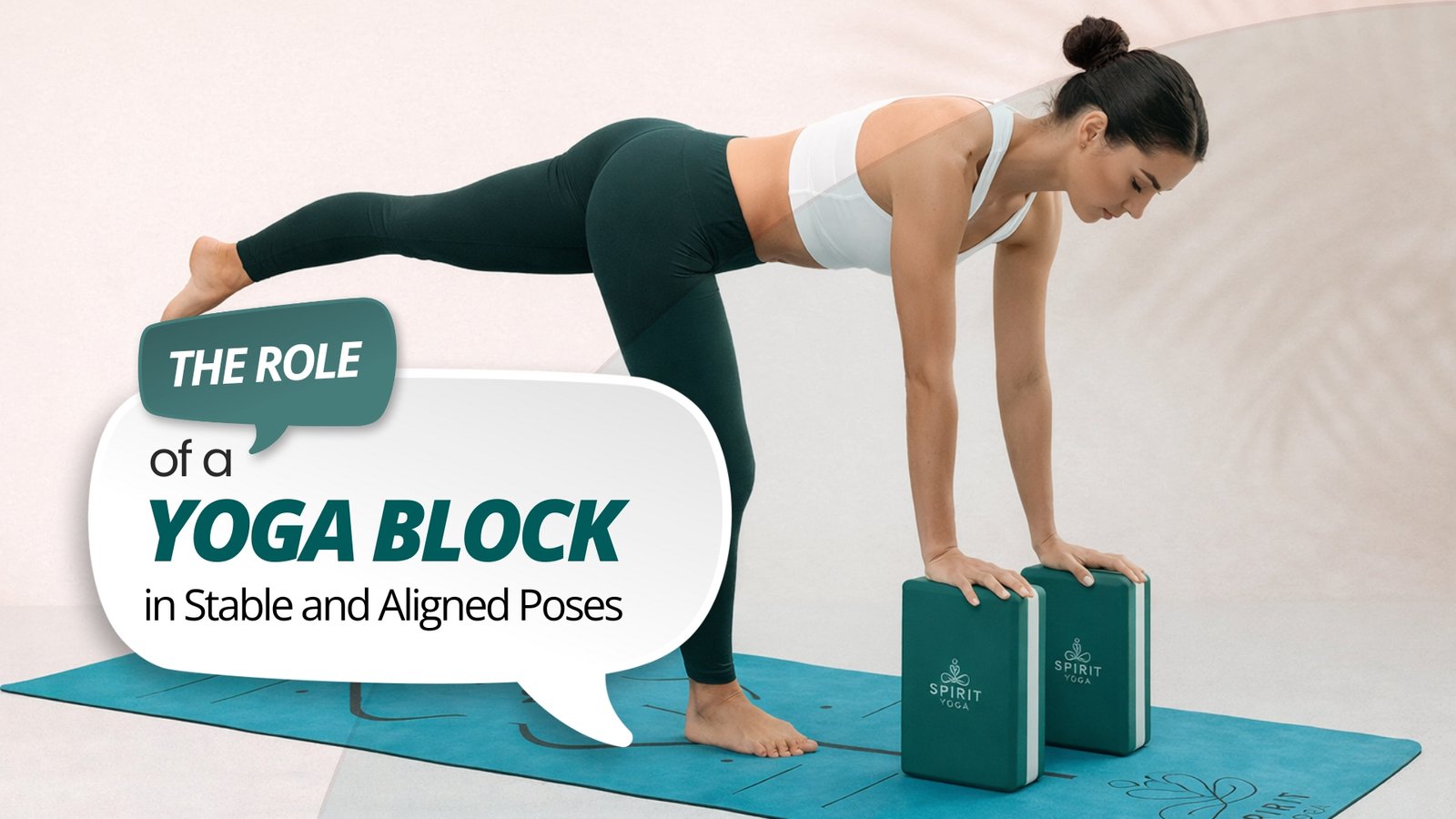
A yoga block is used to place a middle ground between the floor and the body. When the floor seems too distant, then alignment is likely to break, rounded backs, twisting hips, or rigid joints. Blocks decrease that distance, and proper positioning is possible with ease.
For example:
This assistance helps the body to remain relaxed and learn proper engagement patterns.
Alignment presupposes stability. The body will respond to the feeling of instability by kicking the muscles in the wrong manner or redistributing weight. Yoga blocks provide a stable ground and relax the nervous system and alignment comes by itself.
Using a block:
This can be of great use particularly in asymmetrical postures where one part of the body is performing in a contrary manner as compared to the other.
Not all yoga blocks are the same, but certain features make them particularly useful for alignment-focused practice.
|
Feature |
Why It Matters for Alignment |
|
Firm Structure |
Prevents sinking or collapsing, keeping joints supported |
|
Multiple Height Options |
Allows precise adjustment for different body needs |
| Stable Edges |
Helps maintain balance in weight-bearing poses |
| Textured Surface |
Improves grip for hands and feet |
| Lightweight Design |
Easy to reposition during flow-based practices |
These features allow blocks to function as reliable alignment tools rather than passive supports.
Yoga blocks are versatile and adapt to nearly every style of practice—from slow restorative sessions to strong standing flows.
|
Pose Category |
How Yoga Blocks Help |
|
Standing Poses |
Keep hips level and spine elongated |
|
Seated Poses |
Support pelvis and reduce lower-back strain |
| Balancing Poses |
Create a stable base to prevent tipping |
| Backbends |
Offer controlled spinal extension |
| Restorative Poses |
Encourage relaxation without misalignment |
This adaptability is one reason your blocks remain a staple in both home and studio practices.
Education is one of the advantages of yoga blocks that have been ignored. With the help of a block, practitioners can start knowing where the right fit is. These sensations are memorized by the body with time, even in the case of removal of the block.
Blocks help you:
This makes blocks not just supports, but teachers.
Among the most frequent reasons for the discomfort in yoga, there is misalignment. A consistent amount of posing in improper position, particularly in the fatigued state, may put a strain on ligaments and joints.
Using yoga blocks helps:
Most practitioners also find out that chronic pain fades in the presence of blocks during regular application.
Bodies are varied in terms of height, length of limbs, mobility and strength. Yoga blocks can also be more inclusive since they provide the ability to have a flexible support without changing the nature of the pose.
The given approach is in line with the contemporary yoga philosophy, which highlights:
The use of yoga props and mindful practice resources and educational materials in platforms like myspirityoga tend to emphasize this non-exclusive point of view.
To use blocks effectively for alignment:
Most importantly, treat the block as a guide, not a shortcut.
Yoga blocks make us remember that yoga does not concern our stretching distance or depth of diving into. It has to do with the soundness of listening to the body. Yoga blocks can provide stability, promote proper positioning and facilitate conscious movement, thus enabling practitioners to move with ease and clarity.
As the alignment increases, it makes poses less heavy, the breath freer, and the practice less cancerous. With time, this attentive practice will create a better, secure, and more fulfilling relationship with yoga, pose by pose, block by block.
Copyright © 2025. Myspirityoga.com. All Rights Reserved
WhatsApp us